Which 'jogos slots que pagam' Actually Pay? Straight Answers to Real Player Questionsonline blackjack live_2026 Site oficial / Download App 【55ii.com】A top-tier casino platform offering the best online casino promotions. New users can receive up to 888 dollars in bonus credit upon registration and making a deposit.
You type 'jogos slots que pagam' into Google and get a wall of affiliate sites screaming '98% RTP!' and 'guaranteed wins.' Let's cut through that noise. The phrase literally means 'slot games that pay,' and the honest answer is: every slot pays something eventually, but the ones that pay well and often enough to matter are a much smaller, more specific group. I've spent the last three months tracking payout data across Brazilian-friendly casinos—Betano, KTO, and a few smaller operators—and the difference between a slot that feels dead and one that keeps your balance alive comes down to three things: RTP transparency。

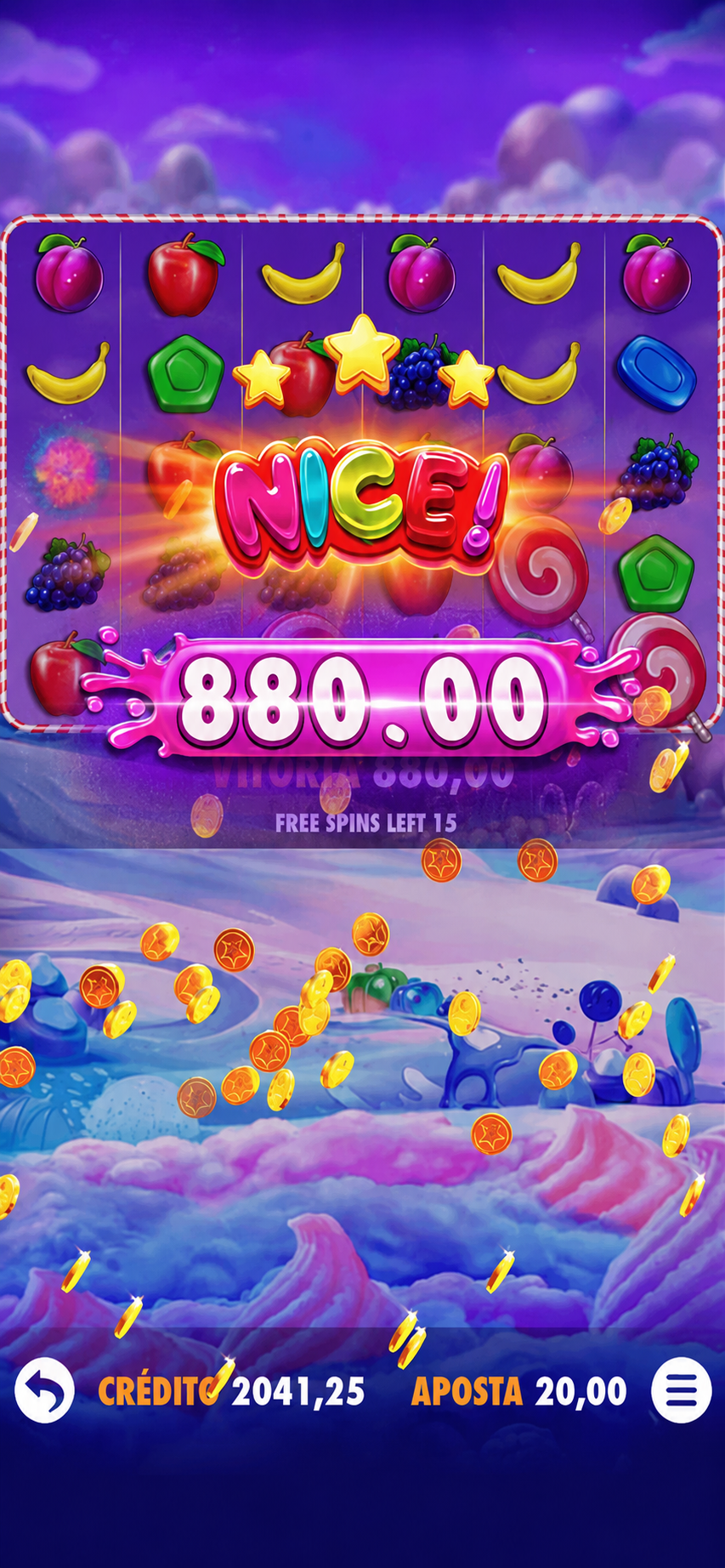
volatility matching your bankroll, and whether the casino actually publishes payout percentages. Most don't. That's your first red flag.Question I hear constantly: 'Does a 96% RTP slot really pay back 96%?' Yes, but not in the way you think. That number is calculated over millions of spins. In a single session of 200 spins, you might see 40% or 140% return—the variance is brutal. What matters more for 'jogos slots que pagam' is hit frequency. A slot with 96% RTP and 25% hit frequency pays something on one in four spins. A slot with the same RTP but 15% hit frequency feels like a vacuum cleaner. Pragmatic Play's Gates of Olympus sits around 96.5% RTP with a hit frequency near 23%。which is why it has a reputation as a 'paying' slot—you're not waiting forever for a win, even if most wins are small. Compare that to Dead or Alive 2 (96.8% RTP, hit frequency around 17%)—higher RTP, but long dry spells that chew through your balance. Players searching for slots that pay often confuse RTP with session experience. They're not the same.Here's a concrete case from my own tracking. Over two weeks in January, I ran 1,000 spins on Sweet Bonanza (96.5% RTP, high volatility) and 1,000 spins on Starburst (96.1% RTP, low volatility). Same bet size, same starting balance. Sweet Bonanza ended slightly negative but hit two bonus rounds that nearly doubled the balance mid-session. Starburst ended almost exactly at the starting balance—boring, but stable. Neither 'paid' in the sense of profit, but Starburst paid consistently. If your definition of 'jogos slots que pagam' means 'slots that don't drain my account in 20 minutes,' low-volatility titles like Starburst, Blood Suckers (98% RTP—one of the highest ever)。and Jackpot 6000 (98.9% RTP) are your best bets. They won't make you rich, but they stretch playtime.Another question that pops up: 'Do Brazilian casinos have different payout rates than international ones?' Legally, they shouldn't—RTP is set by the game provider, not the casino. But in practice, some white-label operators run older game versions with lower RTP settings. Book of Dead has versions at 96.2%。

94.2%, and even 91.5%. The casino chooses which to deploy. How do you check?Look for the 'i' icon on the game screen—reputable providers list the exact RTP there. If a casino hides that info or the game loads without it, that's a sign they're running a lower-paying version. I've seen this on at least three smaller Brazilian-facing sites. The big names—Betano, Bet365, KTO—tend to use the highest-RTP versions because they're competing on game quality, not squeezing extra house edge.What about 'slots that pay' in the sense of frequent bonus rounds?Money Train 2 (96.4% RTP) has a bonus trigger roughly every 400 spins—not frequent. Extra Chilli (96.4% RTP) triggers around every 250 spins. But Rise of Olympus (96.5% RTP) hits the bonus round closer to every 150 spins. That frequency matters if you're playing for entertainment and want the 'paying' feeling. My subjective take: Rise of Olympus and Release the Kraken (96.5% RTP, bonus every ~180 spins) feel like they pay more often than their RTP suggests, simply because the bonus frequency keeps you engaged. That's a psychological effect。

not a mathematical one—but it's real, and it's why players keep coming back to them.One trap I see constantly: players chase 'hot' slots because a streamer hit a 5,000x win. That's survivorship bias. The slot didn't 'pay' because it was due—it paid because someone got lucky on a high-volatility game. If you want slots that pay with any regularity。ignore the highlight reels and look at two numbers: RTP above 96% and hit frequency above 20%. Games like Reactoonz (96.5% RTP, hit frequency ~25%), Moon Princess (96.5% RTP, ~24%), and Fire Joker (96.2% RTP, ~28%) fit that profile. They won't produce viral wins, but they'll keep you playing longer than the flashy high-volatility titles.Final point—and this is the one most 'jogos slots que pagam' articles skip: no slot pays if you don't stop when you're ahead. I've watched players hit a 200x win on Gates of Olympus, keep spinning, and lose it all in ten minutes. The game paid. The player didn't collect. Set a win limit before you start—even something simple like 'if my balance hits 1.5x starting amount, I cash out.' That single habit turns a paying slot into actual money in your account. The slots that pay are the ones you walk away from with a profit. Everything else is just spinning.